

For most of human history, scientists believed the adult brain was essentially fixed — a finished product that could retain information but couldn’t fundamentally change its structure. That idea has been thoroughly dismantled. Research over the past four decades has revealed something far more exciting: the adult brain remains remarkably adaptable throughout life, rewiring itself in response to experience, practice, and learning. This property is called neuroplasticity, and understanding it changes everything about how adults approach education, skill development, and cognitive growth.
This isn’t just an abstract scientific concept. Neuroplasticity has direct, practical implications for anyone trying to learn a new language, pick up an instrument, change careers, or simply keep their mind sharp as they age. The brain you have today is not the brain you have to keep.
What Neuroplasticity Actually Means
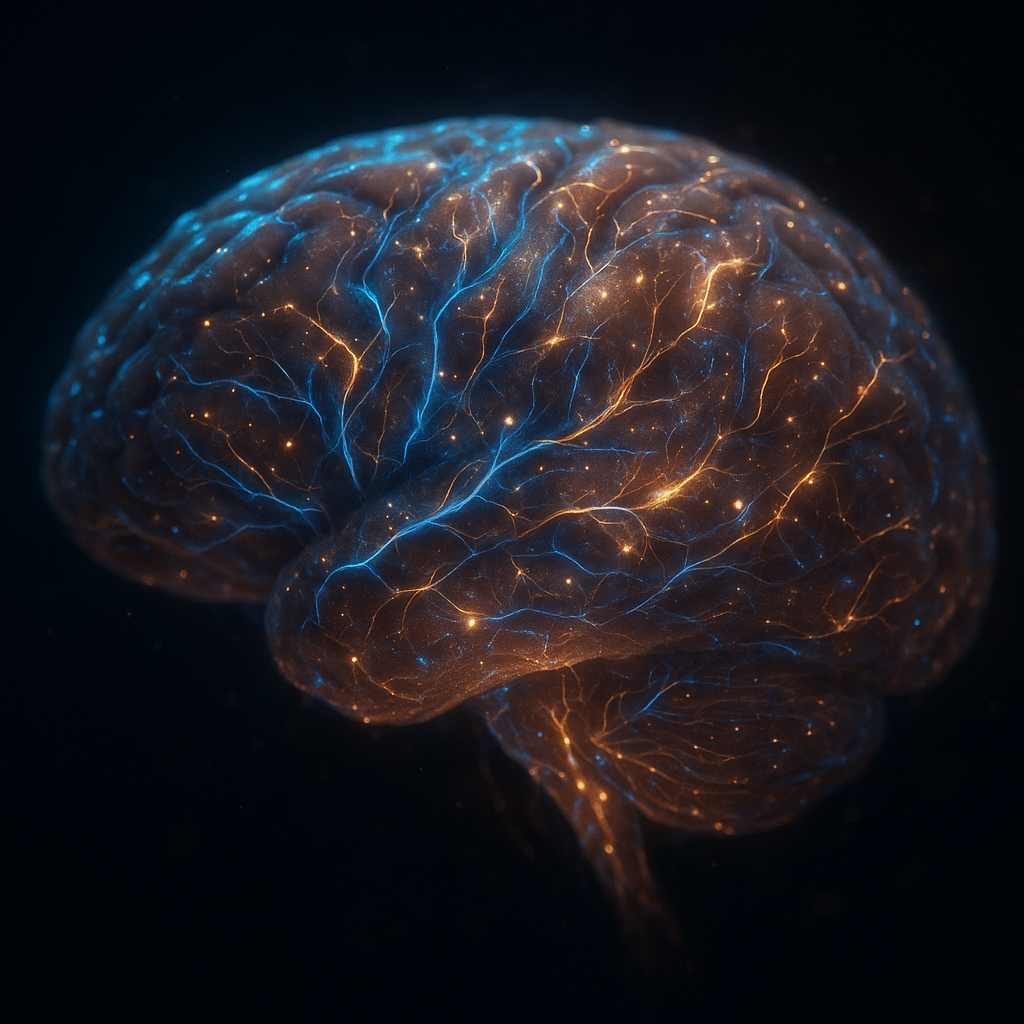
Neuroplasticity — sometimes called brain plasticity or neural plasticity — refers to the brain’s ability to reorganize itself by forming new neural connections throughout life. It’s an umbrella term that covers several distinct processes happening at multiple levels of the nervous system.
At its most fundamental, the brain is made up of roughly 86 billion neurons, each capable of forming thousands of connections with other neurons. These connections, called synapses, are not permanent. They strengthen with repeated use and weaken when neglected. The famous neuroscience phrase, often attributed to Donald Hebb, captures this elegantly: “neurons that fire together, wire together.”
But neuroplasticity goes beyond just synaptic changes. It also involves:
- Neurogenesis — the birth of new neurons, particularly in the hippocampus, a region central to memory and learning
- Synaptic pruning — the elimination of weak or unused connections to make neural pathways more efficient
- Cortical remapping — the reassignment of brain regions to new functions, often seen after injury or with intensive practice
- Myelination — the process of wrapping nerve fibers in myelin, a fatty sheath that speeds up signal transmission
Each of these mechanisms plays a role in how adults acquire, consolidate, and retain new knowledge and skills.
The Four Stages of Neuroplasticity in Learning
When people ask about the “4 stages of neuroplasticity,” they’re typically referring to the progression a learner goes through as new neural pathways are built and reinforced. While different researchers frame this in slightly different ways, a widely recognized model breaks it down like this:
1. Unconscious Incompetence
At this stage, you don’t know what you don’t know. There are no established neural pathways for the skill yet — the brain simply hasn’t been exposed to the relevant patterns. Think of someone who’s never touched a piano and has no real sense of how difficult it might be.
2. Conscious Incompetence
Now you’ve been introduced to the skill and are aware of the gap. Neurons are beginning to form rudimentary connections, but the pathways are weak and inefficient. This stage is often the most frustrating because you can see the goal clearly but can’t yet execute.
3. Conscious Competence
With deliberate, sustained practice, neural connections have grown stronger and more organized. You can perform the skill, but it requires focus and conscious effort. Myelin is beginning to coat the relevant pathways, improving signal speed.
4. Unconscious Competence
The skill has become automatic. The neural circuits are so well-established that execution happens without deliberate thought. Driving a familiar route, typing without looking at the keyboard, or speaking a well-practiced second language all reflect this stage.
Understanding this progression matters practically because it helps learners — and educators — set realistic expectations and design better learning experiences.
How Neuroplasticity Differs Between Young and Adult Brains
There’s a common assumption that learning is easier for children and that adult brains are at a disadvantage. The reality is more nuanced. Children do experience what neuroscientists call critical periods — windows of heightened plasticity when certain types of learning, like language acquisition or binocular vision, happen with unusual efficiency. These windows gradually close.
But adult brains compensate in meaningful ways. Research published in Neuron and various peer-reviewed journals has shown that adult learners bring several neurological advantages to the table:
- Richer associative networks — adults have more existing knowledge, giving new information more “hooks” to attach to
- Greater metacognitive awareness — adults can monitor and adjust their own learning strategies more effectively
- Stronger prefrontal regulation — better impulse control and the ability to focus on difficult material for longer periods
Where children might learn a new accent flawlessly without trying, adults can leverage context, motivation, and structured practice to achieve mastery in ways children cannot. The brain changes, but it doesn’t stop being plastic.
Latest Research on Neuroplasticity and Adult Learning
The last decade has seen an explosion of research into how neuroplasticity works in mature brains. Some findings have genuinely surprised scientists.
A landmark study from the University of California, San Francisco found that adult brains could recover robust plasticity under the right conditions — specifically when a neuromodulatory chemical called acetylcholine was activated during focused learning. This suggests that the quality of attention brought to a learning task directly influences the degree of neuroplastic change that follows.
Other research has focused on the hippocampus. For years, scientists debated whether adult humans actually generate new neurons. A 2018 study published in Nature Medicine confirmed hippocampal neurogenesis in adults well into their 70s, though at reduced rates compared to younger brains. Exercise, stress reduction, and quality sleep were identified as significant factors in maintaining this capacity.
Perhaps most striking is research on experience-dependent plasticity — the idea that the brain physically reshapes itself based on what a person does repeatedly. London taxi drivers, famously studied by Eleanor Maguire at University College London, showed measurable enlargement of the hippocampus after years of navigating the city’s complex street grid. Musicians show expanded representations of finger movements in the motor cortex. Bilingual speakers show denser gray matter in language-processing regions.
These aren’t metaphors. They’re measurable anatomical changes resulting from sustained cognitive effort.
Neuroplasticity in Older Adults: Is It Too Late to Change?
One of the most common questions about neuroplasticity is whether it diminishes with age to the point of being practically useless. The short answer is no — but it does shift.
Older adults tend to experience slower processing speeds and may find it harder to suppress irrelevant information. These changes are real. But studies consistently show that older brains retain significant capacity for change, particularly when learning is effortful, meaningful, and consistent.
A notable example comes from research on older adults learning to juggle. After just a few weeks of practice, MRI scans revealed increased gray matter density in visual and motor areas. When subjects stopped practicing, the changes partially reversed — confirming that neural plasticity is an ongoing, use-dependent process, not a one-time event.
The Harvard Health research on cognitive maintenance emphasizes several lifestyle factors that support neuroplasticity in older adults:

- Aerobic exercise, which stimulates BDNF (brain-derived neurotrophic factor), a protein that supports neuron growth and connection
- Sleep quality, during which the brain consolidates memories and clears metabolic waste
- Novel challenges that push outside established comfort zones and force new neural recruitment
- Social engagement, which activates multiple cognitive systems simultaneously
- Stress management, since chronic stress floods the brain with cortisol, which is known to suppress neuroplastic mechanisms in the hippocampus
Practical Implications for How Adults Should Learn
Knowing that neuroplasticity is real and ongoing isn’t enough on its own. The more useful question is: what conditions maximize it?
Spacing and Retrieval Practice
The cognitive science of learning has identified spaced repetition and retrieval practice as among the most effective techniques for driving neuroplastic change. Rather than massing study into a single session, spreading it across multiple sessions with deliberate recall in between forces the brain to rebuild memory traces repeatedly — strengthening them each time.
Interleaving Skills
Practicing multiple related skills in alternating fashion, rather than mastering one before moving to the next, leads to slower short-term performance but significantly stronger long-term retention and transfer. This uncomfortable approach forces the brain to work harder at distinguishing and retrieving information — exactly the kind of effortful processing that drives synaptic strengthening.
Sleep as a Learning Tool
Sleep is not passive downtime for the brain. During slow-wave and REM sleep, the hippocampus “replays” new experiences to the cortex, consolidating them into long-term storage. Cutting sleep short after intensive learning doesn’t just leave you tired — it actively undermines the neuroplastic changes you were trying to build. Understanding how sleep patterns shift with age can help adult learners protect this critical consolidation window.
Emotional Engagement
Neuroscience consistently shows that emotionally meaningful material is processed more deeply and remembered more reliably. The amygdala — the brain’s emotional processing hub — interacts with the hippocampus during memory formation. Learning that connects to personal relevance, curiosity, or even mild challenge triggers stronger consolidation than passive exposure to neutral information.
Why Mindset Matters at the Neural Level
Carol Dweck’s concept of the growth mindset has become something of a cultural cliché, but there’s genuine neuroscience behind it. Research using EEG has shown that individuals who believe their abilities can improve show different neural responses to errors than those with fixed mindsets — they allocate more attentional resources to understanding mistakes, which is precisely the kind of engagement that drives neuroplastic change.
Believing you can improve isn’t just motivational self-talk. It appears to influence how the brain actually processes feedback and challenges, making it a legitimate variable in the neuroplasticity equation.
Conclusion
Neuroplasticity has fundamentally rewritten what science understands about the adult brain. Far from being a fixed, static organ after a certain age, the brain continues to reorganize, rewire, and grow in response to experience throughout life. The mechanisms behind this — synaptic strengthening, neurogenesis, cortical remapping, and myelination — operate in adults of all ages, though the conditions that support them matter enormously.
For adults engaged in learning, this science offers both reassurance and direction. The brain responds to deliberate, effortful, spaced, and emotionally engaged practice. It benefits from sleep, exercise, and reduced chronic stress. And it retains the capacity for meaningful structural change even well into older age — not identically to a child’s brain, but in its own sophisticated way.
The old idea that you can’t teach an old dog new tricks was never really about dogs. And the neuroscience says it was never true of humans either.