
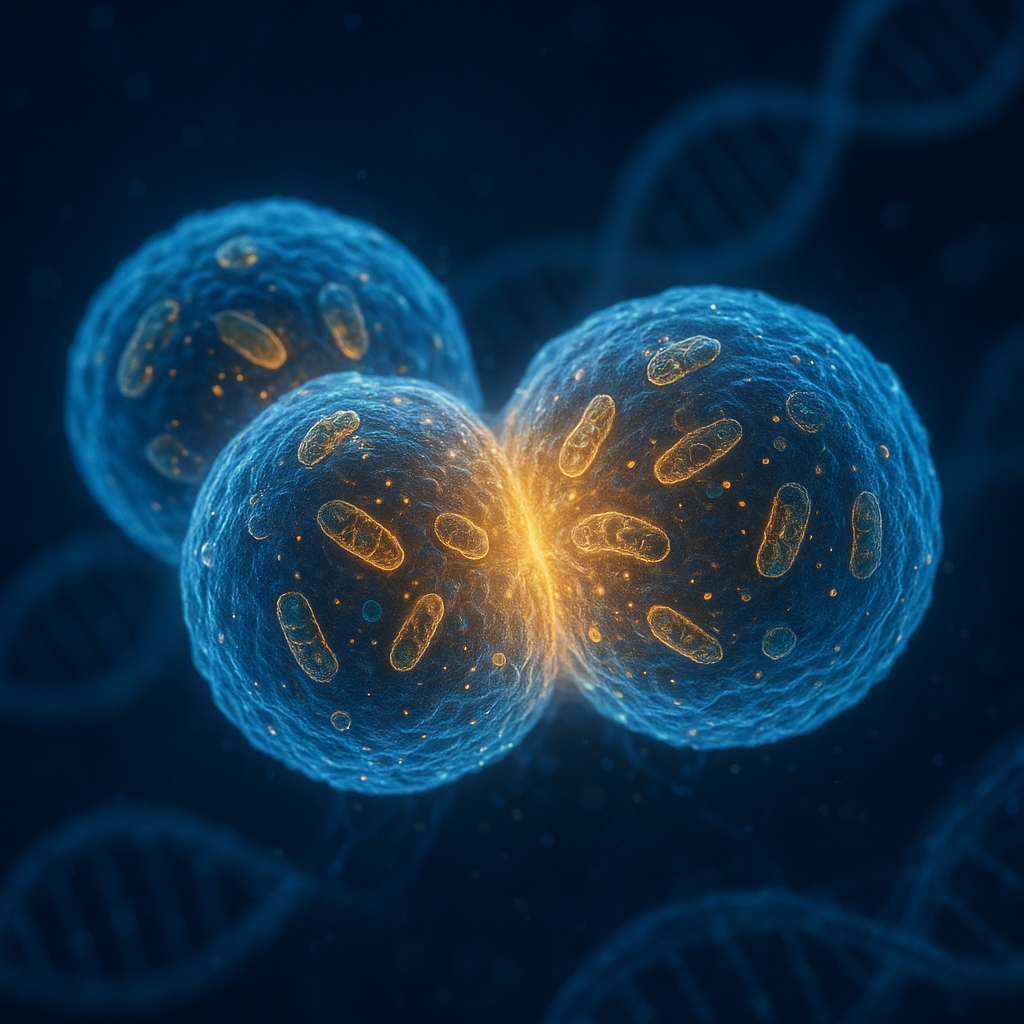
Every second, the human body is engaged in a silent, extraordinary battle against time. Billions of cells are dividing, repairing, and dying — a ceaseless process that keeps us alive but gradually loses its precision as we age. The science of cellular regeneration is one of the most exciting frontiers in biology today, touching on everything from stem cell research to genetic reprogramming. And the central question driving it all is deceptively simple: can we actually slow down how our cells age?
The short answer is that we don’t fully know yet — but the science is moving faster than ever, and what researchers have discovered in the past two decades has fundamentally changed how we think about aging, disease, and human longevity.
What Is Cellular Regeneration, and Why Does It Matter?
Cellular regeneration refers to the body’s ability to replace damaged, worn-out, or dead cells with new, functional ones. This process is happening constantly across virtually every tissue in your body, though the rate varies dramatically depending on where you look. The lining of your gut, for example, renews itself roughly every five to seven days. Red blood cells are replaced every 120 days. Neurons in certain parts of the brain, on the other hand, may stick around for your entire lifetime.
At the heart of this regenerative capacity are stem cells — specialized cells with the remarkable ability to self-renew and differentiate into more specialized cell types. They act as the body’s replenishment system, responding to injury and normal cellular turnover by generating replacements as needed.
When this system works well, we stay healthy and resilient. When it starts to falter — as it inevitably does with age — we become more vulnerable to disease, slower to heal, and less capable of maintaining the integrity of our tissues.
What Age Does Cell Regeneration Slow Down?
This is one of the most common questions people ask about cellular aging, and the honest answer is that it’s not a single event — it’s a gradual process that begins earlier than most people expect. Research suggests that measurable declines in stem cell activity and regenerative capacity start appearing as early as your late 20s to mid-30s. It’s subtle at first, but the cumulative effect becomes increasingly apparent as decades pass.
By the time a person reaches their 60s or 70s, the regenerative machinery has undergone significant changes:
- Stem cell populations in many tissues are reduced in number and activity
- DNA repair mechanisms become less efficient, allowing mutations to accumulate
- Mitochondrial function declines, reducing the energy available for cellular processes
- Epigenetic changes alter which genes are expressed, often in ways that impair function
- The cellular environment (sometimes called the “niche”) becomes less supportive of regeneration
It’s worth emphasizing that these changes don’t happen uniformly. Genetics, lifestyle, environmental exposures, and even psychological stress all influence the rate at which an individual’s cells age. Two people of the same chronological age can have dramatically different biological ages at the cellular level.
These biological differences are often most visible in the skin, where a loss of collagen and elastin leads to fine lines and wrinkles. While cellular research continues, many people look for practical ways to manage these external signs of aging. Non-surgical treatments have become a common choice for those wanting to maintain a refreshed appearance. For instance, visiting a professional botox clinic in Cheshire can help individuals address these changes with targeted, natural-looking results. This approach allows people to align their outward appearance with how young they feel inside.
The Hallmarks of Stem Cell Aging
Researchers have identified several overlapping mechanisms that drive the aging of stem cells and, by extension, the decline in tissue regeneration. These are sometimes referred to as the “hallmarks” of stem cell aging, a framework that has gained significant traction in the scientific literature, including work published in journals like Cell and through institutions such as the Harvard Stem Cell Institute.
Genomic Instability
Over time, DNA accumulates damage from sources like UV radiation, oxidative stress, and simple replication errors. While cells have sophisticated repair systems, these become less accurate with age. In stem cells, this accumulated genetic damage can reduce proliferative capacity or, more dangerously, contribute to abnormal cell growth.
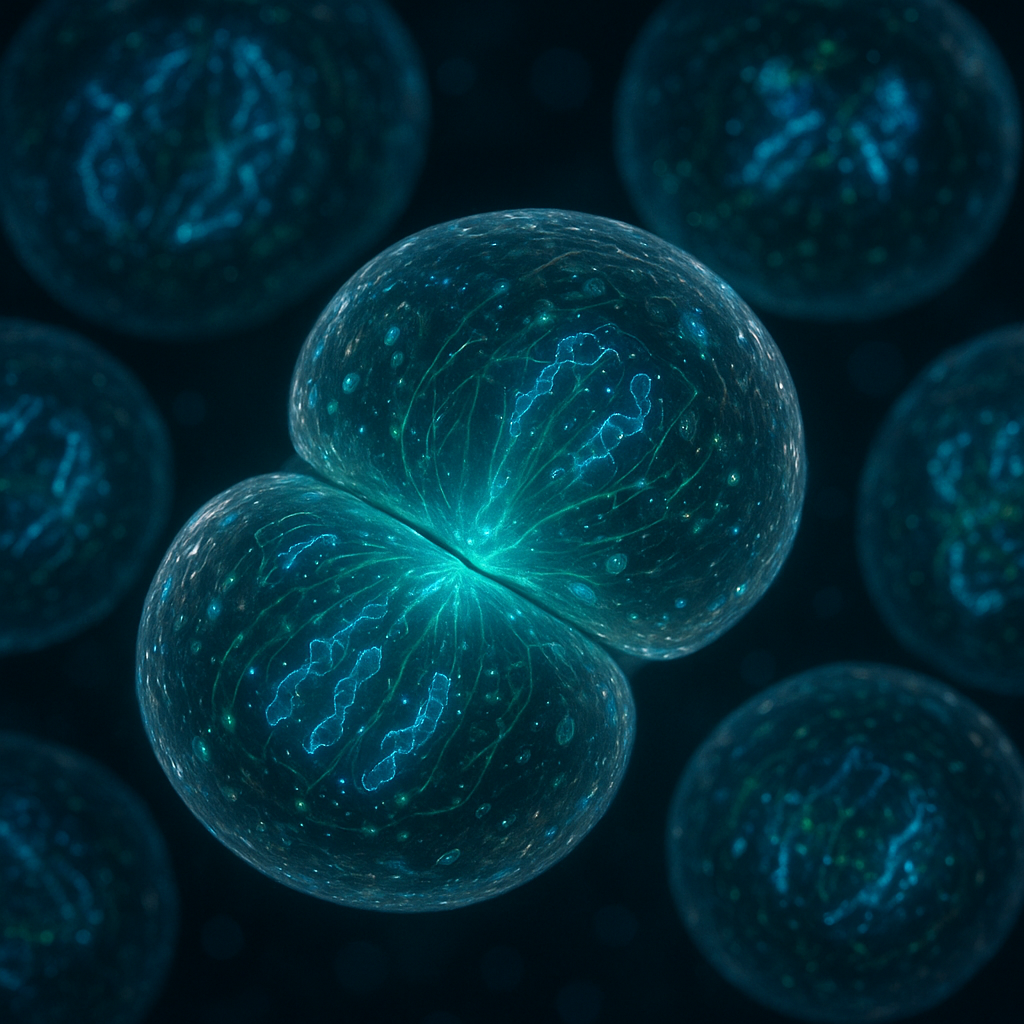
Epigenetic Drift
Epigenetics refers to changes in gene expression that don’t involve alterations to the DNA sequence itself. Think of it as the body’s way of annotating the genome — marking certain genes for activation or silencing. With age, these annotations become erratic. Genes that should be silenced get turned on, and vice versa. This epigenetic drift is now considered one of the most significant drivers of cellular aging and has become a central target for anti-aging research.
Stem Cell Exhaustion
Stem cell exhaustion is exactly what it sounds like: the gradual depletion and functional decline of the stem cell pool. As stem cells divide repeatedly over a lifetime, they accumulate damage and eventually lose their capacity to regenerate effectively. This is particularly evident in the hematopoietic system (blood cell production), where aged stem cells produce fewer immune cells and are more prone to generating dysfunctional ones.
Senescence and the SASP
Cellular senescence is a state in which cells stop dividing but don’t die. They linger in tissues and, critically, secrete a cocktail of inflammatory molecules known as the senescence-associated secretory phenotype (SASP). These molecules damage neighboring cells and create a chronic low-grade inflammatory environment — sometimes called “inflammaging” — that accelerates tissue dysfunction across the entire body.
Can Science Actually Slow or Reverse Cellular Aging?
This is where things get genuinely exciting. In the past decade, a wave of research has moved the conversation from “aging is inevitable” to “aging may be malleable.” Several approaches have shown real promise, even if most are still far from clinical application.
Yamanaka Factors and Cellular Reprogramming
In 2006, Shinya Yamanaka made a discovery that earned him the Nobel Prize: by introducing just four specific transcription factors (now known as Yamanaka factors) into adult cells, he could reprogram them back into a pluripotent, stem-like state. More recently, researchers at Stanford and other institutions have explored partial reprogramming — using these same factors briefly, without fully reverting cells to pluripotency — to rejuvenate aged cells while preserving their identity.
A landmark 2022 study from the Salk Institute demonstrated that partial reprogramming could reverse signs of aging in mice, improving muscle regeneration and kidney function. Human applications remain years away, but the proof of concept is striking.
Senolytics: Clearing Out Senescent Cells
If senescent cells are part of the problem, one logical solution is to selectively eliminate them. Senolytics are a class of drugs designed to do exactly that. Combinations like dasatinib and quercetin have been shown in animal studies to reduce senescent cell burden, improve physical function, and extend healthspan. Human clinical trials are underway, and early results are cautiously encouraging, though much more data is needed.
NAD+ Precursors and Mitochondrial Health
NAD+ (nicotinamide adenine dinucleotide) is a molecule essential for cellular energy metabolism and DNA repair. Levels decline significantly with age — by some estimates, dropping by more than 50% between young adulthood and middle age. Precursors like NMN (nicotinamide mononucleotide) and NR (nicotinamide riboside) can boost NAD+ levels and have shown benefits in animal models. Human trials are ongoing, with researchers at institutions like Harvard investigating their effects on aging-related decline.
Parabiosis and Blood Factors
One of the more unusual lines of research involves the biology of blood. Studies connecting the circulatory systems of young and old mice (a technique called parabiosis) have shown that exposure to young blood can rejuvenate aged tissues. Researchers have since worked to identify the specific factors responsible, leading to interest in proteins like GDF11 and the potential to develop therapies based on blood-borne signaling molecules.
The Role of Lifestyle in Cellular Regeneration
While cutting-edge science continues to advance, there’s a well-established body of evidence showing that lifestyle factors have a meaningful impact on cellular aging — often at the epigenetic and mitochondrial levels. This isn’t about oversimplifying complex biology; it’s about recognizing that the choices we make daily influence how quickly our cells age.
- Exercise: Regular physical activity, particularly aerobic exercise and resistance training, has been shown to preserve telomere length, boost mitochondrial biogenesis, and stimulate the production of growth factors that support stem cell activity.
- Caloric restriction and intermittent fasting: Reducing caloric intake — or cycling periods of eating and fasting — activates cellular stress-response pathways like autophagy, which helps cells clear out damaged components and maintain function.
- Sleep: Deep sleep is when the body performs much of its cellular maintenance and repair. Chronic sleep deprivation accelerates markers of biological aging, including telomere shortening and increased inflammatory signaling.
- Stress management: Chronic psychological stress elevates cortisol and promotes inflammation, both of which accelerate cellular aging. Practices that reduce stress — from meditation to social connection — have measurable effects on biological aging markers.
- Diet quality: Diets rich in antioxidants, polyphenols, and anti-inflammatory foods appear to reduce oxidative stress on cells and support healthier epigenetic profiles over time. Reducing your consumption of heavily processed and refined foods is one of the more impactful dietary steps you can take to support cellular health.
How Much Does Stem Cell Anti-Aging Research Cost — and Who Has Access?
One of the more pressing questions around emerging regenerative therapies is who will benefit from them. Experimental stem cell anti-aging treatments — where they exist outside of clinical trials — can cost anywhere from tens of thousands to hundreds of thousands of dollars per treatment, largely accessible only to the very wealthy. This raises important ethical questions about equity in longevity science.
For the majority of people, the most evidence-backed and accessible interventions remain lifestyle-based — which is both humbling and empowering. The frontier science is compelling, but the everyday choices around sleep, movement, nutrition, and stress aren’t just placeholders until something better comes along. They genuinely work at the cellular level. Building consistent daily habits that support healthy aging may be the most practical and well-validated strategy available to most people today.
The Road Ahead: Realistic Optimism
It would be dishonest to promise that immortality is around the corner, or that any current therapy can meaningfully halt cellular aging. The biology is extraordinarily complex, and what works in a mouse doesn’t always translate to humans. Regulatory hurdles, long-term safety data, and the sheer diversity of aging mechanisms across individuals all present real challenges.
But the trajectory of the research is genuinely exciting. The idea that epigenetic aging clocks can be measured — and potentially reversed — would have seemed like science fiction a generation ago. The fact that partial reprogramming can restore youthful gene expression in aged cells is a conceptual breakthrough with enormous downstream implications.
We are, in a very real sense, at the beginning of understanding aging as something that can be studied, measured, and perhaps modulated — rather than simply endured.
Conclusion
Cellular regeneration is a fundamental property of life, and its decline is one of the most defining features of aging. From stem cell exhaustion and epigenetic drift to the accumulation of senescent cells and mitochondrial dysfunction, the science has revealed aging to be not a single process but a constellation of interconnected mechanisms — each a potential target for intervention.
Research into partial reprogramming, senolytics, NAD+ metabolism, and blood-borne rejuvenation factors represents some of the most promising work in modern biology. At the same time, evidence-based lifestyle choices — consistent exercise, quality sleep, stress reduction, and a nutrient-rich diet — remain the most accessible and well-validated tools for supporting cellular health across a lifetime.
The science of slowing cellular aging is no longer purely speculative. It is an active, rapidly evolving field with real findings, ongoing clinical trials, and a growing understanding of what drives the aging process at its most fundamental level. Whether a significant extension of human healthspan becomes a practical reality in the coming decades depends on science, ethics, and the collective choices of both researchers and individuals — but the conversation has never been more grounded in evidence than it is today.